

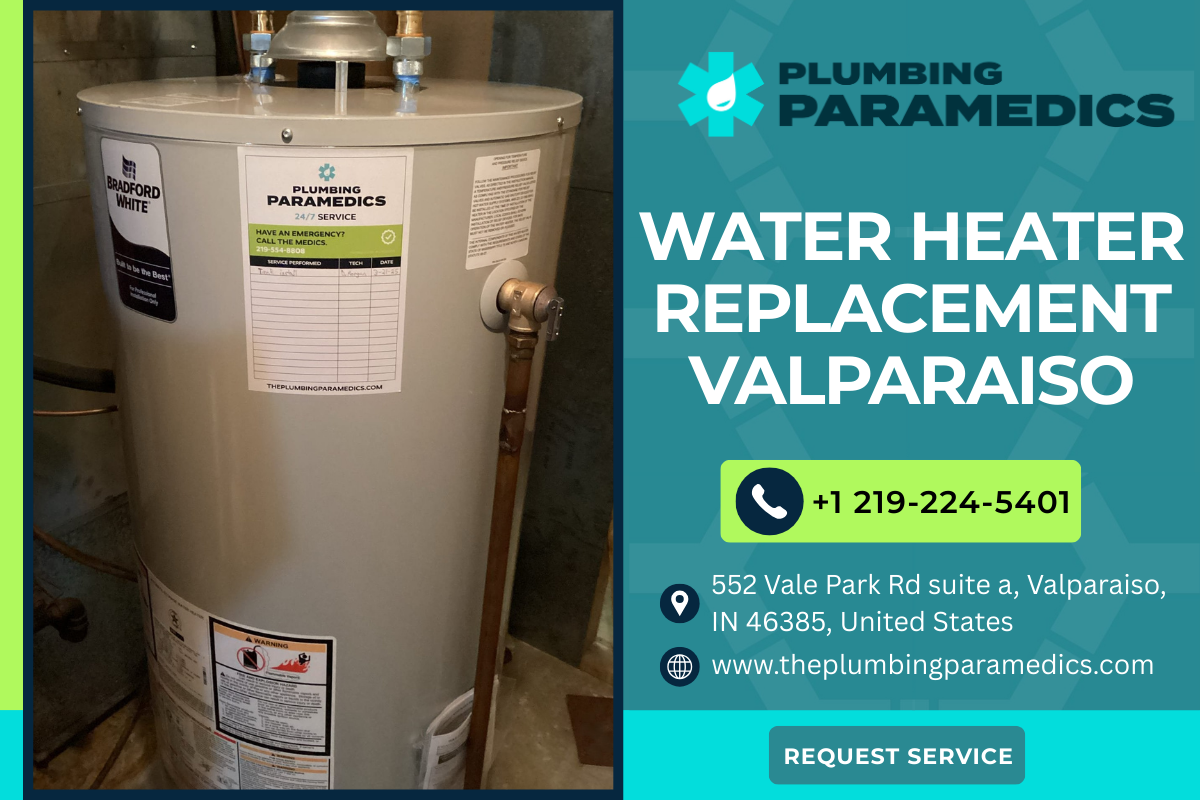
A water heater looks simple enough from the outside, a tall tank or a compact box on the wall with a few pipes and a gas line or electrical feed. The part homeowners rarely see is the path that combustion gases or moisture take after the burner or heat exchanger does its work. That path, the vent system, is where many installations go wrong. In Valparaiso, our winters test weak venting with long burn cycles, cold chimneys, and persistent wind across the lake plain. When venting is misjudged, the consequences range from nuisance shutdowns to carbon monoxide infiltration. Getting it right is not about adding more pipe, it is about matching the heat source, materials, route, and terminations to local conditions and codes.
Why venting matters more than most people realize
Every fuel-burning water heater needs a safe exit for combustion byproducts. Even a gas-fired unit running at peak efficiency produces carbon dioxide, water vapor, and small amounts of carbon monoxide and nitrogen oxides. The job of a vent is to carry those gases outside and keep them outside. If the vent is undersized, overly long, poorly sloped, or made of the wrong material, you will see symptoms that look like appliance problems: sooting, pilot outage, melted draft-hood parts, frequent error codes, or damp streaks on the tank. I have traced “mystery” leaks to nothing more than condensing exhaust pooling in a horizontal run that lacked a quarter-inch-per-foot pitch.
For electric units, the vent story shifts from exhaust to moisture management. Heat pump water heaters, increasingly popular for their efficiency, move a surprising amount of cool, dehumidified air into the room and often require condensate drainage and enough volume around the unit to avoid starving it for air. Different fuel types, different venting needs, same principle: respect the physics and the codes, and performance follows.
The local picture in Valparaiso
Valparaiso’s housing stock is a mix of mid-century ranch homes, farmhouses with fieldstone basements, and newer developments with sealed mechanical rooms. Many older homes rely on masonry chimneys that once served coal or vented gravity furnaces. Those chimneys were generous, sometimes 8 by 12 inches or larger, and they can be a hazard for modern water heaters if used without a properly sized liner. Newer homes frequently have direct-vent equipment with PVC terminations on the sidewall. Wind patterns here tend to create eddies around gables and between houses. That matters when placing vent terminations for tankless units or power-vented tanks, since wind re-circulation can push exhaust back toward the intake or a soffit.
The local building department follows the International Residential Code with Indiana amendments, and the National Fuel Gas Code is the reference for many vent tables. You will see specific rules on vent connector materials, maximum equivalent length, termination clearances from doors, windows, meters, and grade. If you are planning water heater installation in Valparaiso, check whether your unit requires a permit. Most gas replacements do, and for good reason, the inspection catches vent deficiencies before they become expensive callbacks.
Matching vent method to heater type
Atmospheric vent tanks remain common in older homes. They rely on buoyancy to carry warm gases up a vertical vent or chimney. They are simple, but sensitive to depressurization from exhaust fans, clothes dryers, or tight building envelopes. A draft hood sits above the tank to temper the flow. Correct venting here means proper connector sizing, minimal horizontal runs, and a vertical stack or lined chimney that stays warm enough to sustain draft.
Power-vent tanks use a fan to push exhaust through sidewall terminations. They offer more flexibility, but that fan is not a cure-all. You still obey equivalent length limits, maintain upward slope if horizontal, and avoid low points where condensate can collect. Sidewall vents must clear grade and snow lines, which matters in January when drifts climb above a foot.
Direct-vent and sealed-combustion units, including many tankless models, pull combustion air from outdoors and exhaust through a sealed system. They often use PVC, CPVC, or polypropylene venting, with temperature and listing requirements set by the manufacturer. Combustion air from outdoors reduces back-drafting risk and indoor air competition. The trade-off is tighter installation tolerances. Intake and exhaust must be spaced correctly, termination clearances matter, and elbows add equivalent length faster than you think.
Electric resistance tanks do not need exhaust venting, but they do need attention to clearance and moisture. Heat pump water heaters demand even more planning. They can be ducted, but the ducts must be sized correctly or the compressor will run longer and noisier. Condensate lines need proper traps and slope to avoid backups that trigger float switches.
Materials and their limits
I have found more than one melted ABS pipe above a gas water heater where a well-meaning person replaced a section of metal vent with plastic. That is a quick way to create a dangerous situation. Vent materials are not interchangeable. Type B gas vent is double-wall metal designed for natural draft appliances. It cannot be used for high-condensing appliances without corrosion. Single-wall metal may be used for short connectors in conditioned spaces at specific clearances to combustibles. PVC and CPVC are used on condensing and many power-vented units, but only if the manufacturer lists the material and the fittings meet temperature ratings. Polypropylene vent systems are excellent for higher flue temperatures and are common on commercial and some residential condensing units. Aluminum flex liners sized correctly can safely reline a masonry chimney for a single water heater, but oversizing or long cold masonry runs will condense and stall draft.
Galvanized screws should never protrude into the vent path by more than a few millimeters, ideally three screws per joint and no long screw points inside the pipe. I have removed bird nests, scrap https://andresdoel962.theglensecret.com/water-heater-maintenance-in-valparaiso-winter-prep-checklist foil tape, and even a rag from vent paths. Tape is not a substitute for mechanical joints on metal venting, and mastic made for ductwork does not belong on flue vents.
Sizing and route strategy
Most venting missteps happen on paper before a single hole is cut. Sizing follows tables that account for input BTUs, draft type, connector length, and the number of elbows. A typical 40,000 BTU atmospheric tank with a short connector to a 4-inch B-vent will draft well. Bump that to a long horizontal connector across a basement, or reduce to a 3-inch connector because it looked tidy, and the draft becomes fragile. For power-vent tankless units, equivalent length is the silent throttle. A 90-degree elbow might count as 5 to 10 feet, depending on the system. Multiply that across a serpentine route and a distance that looks fine on a tape measure suddenly exceeds the appliance’s allowance. The fan works harder, condensate piles up, and error codes pop on the first cold snap.
Slope is not optional. Horizontal runs on Category I appliances should rise at least a quarter inch per foot back toward the chimney or vent. Condensing appliances need slope toward the appliance or toward an approved condensate drain, based on manufacturer guidance. If you run a sidewall PVC vent flat and it sags between hangers, water will collect and block the flue.
Support spacing matters. Metal vent stays straight when supported every 4 to 6 feet. PVC should be supported more frequently, often every 3 to 4 feet, to avoid belly sag. Penetrations through framing need proper firestopping and clearances. Shoving B-vent through a joist bay without a firestop spacer is a red flag during inspection and a risk during a fire.
Chimney relining realities
A common scenario in Valparaiso: the old furnace gets replaced with a 90 percent efficient model that vents out the sidewall, leaving the atmospheric water heater alone on the masonry chimney. Suddenly the chimney that once stayed warm is cold, and water vapor from the water heater condenses on the brick interior. You may smell dampness or see efflorescence on the exterior. The fix is not more burner, it is a properly sized liner. Dropping a 3 or 4 inch aluminum flex liner inside the chimney reduces the cross-section so flue gases stay warm enough to rise. The top needs a cap and the base should be sealed around the thimble. If the chimney is damaged, consider a stainless steel liner or shift the water heater to a dedicated B-vent or power-vent model. Balancing cost and longevity here pays off, because a saturated chimney can crumble in a couple of seasons.
Combustion air and pressure balance
Even the perfect vent will fail if the room starves for combustion air. Tight basements, sealed mechanical closets, and powerful range hoods change the pressure inside a home. If the water heater pulls air from indoors and a bath fan or dryer runs, you can tip the room negative and reverse the draft. Signs include warm air spilling from the draft hood, scorch marks, or CO alarms that chirp during laundry cycles. The remedy is calculated combustion air openings to adjacent spaces or outdoors, or moving to a direct-vent unit that uses outdoor air. The math is straightforward: you need a minimum free area based on total BTUs, and louvered grilles do not provide full free area unless specified. On site, I often oversize grills slightly to account for dust and future changes.
Termination clearances and cold climate details
Sidewall terminations must respect horizontal and vertical distances from windows, doors, dryer vents, gas meters, and grade. Locally, snow is the forgotten clearance. A termination that sits 12 inches above grade may look fine in August, then disappear behind a drift in January. Aim for 18 to 24 inches above grade at minimum, more on the windward side of the house. Avoid alcoves and interior corners where exhaust can linger and reentrain into intakes. If you have soffit vents, keep exhaust well below them. For concentric terminations, double-check the manufacturer’s minimums for spacing and orientation. If ice forms on the termination, check the slope back to the appliance so condensate does not freeze at the exit.
Practical installation flow that avoids headaches
The smartest installations start with a walk-through. Map the shortest, straightest path to daylight that honors clearances. If the existing chimney is sound and the heater is compatible, a lined chimney may be the simplest route. If the path looks tortured, a power-vent or direct-vent model can save labor and perform better. Keep elbows to a minimum, mark stud and joist bays, and pre-plan how to protect wiring and plumbing.
Before assembling anything, stage the materials. Confirm the vent kit matches the brand and model. Manufacturers are specific for a reason. Using off-brand elbows or mixing PVC types can void listing and fail under heat. Dry-fit the run, verify slope, then secure with the right hangers. For metal, use sheet metal screws at joints. For plastic, solvent-weld with primer and cement approved for that material. I have revisited jobs where purple primer was used sparingly and fittings separated under expansion cycles. Generous, even primer coverage matters.
Penetrations through the wall need a sleeve or thimble, sealed to the weather with flashing and high-quality sealant. Do not seal the vent termination itself beyond the manufacturer’s gasketed parts. Indoors, maintain clearances from combustibles. A single-wall connector wants 6 inches, B-vent needs 1 inch, unless the listing says otherwise. Those numbers are not suggestions, they are the margin that prevents scorching studs over time.
Once assembled, run a draft test or a combustion analysis if the appliance allows. For atmospheric units, a mirror at the draft hood should fog inward during operation, not push outward. Smoke pencils help visualize the flow. For sealed systems, verify intake and exhaust readings and confirm the fan ramps without surging. Wrap up with a CO check in the immediate space and near sleeping areas. It adds minutes, but it is the difference between guessing and knowing.
Maintenance that keeps venting reliable
A vent is not a set-and-forget component. Birds do not care about your schedule, and spiders love an undisturbed pipe. Annual inspection is cheap insurance. Look for rust streaks on metal venting, white crust on chimney exteriors, sagging PVC runs, loose hangers, and vegetation near terminations. Clean intake screens on direct-vent and tankless units. Vacuum or brush any dust buildup in mechanical rooms, especially around heat pump water heaters whose coils act like magnets for lint.
If your system has a condensate neutralizer, check the media. As the pellets dissolve, acidity rises downstream and can corrode drains. Replace the media every 1 to 3 years, depending on usage. For homeowners who prefer professional eyes on the system, scheduling water heater service helps catch issues early. Local providers who handle valparaiso water heater repair and water heater maintenance valparaiso will know common trouble spots in our climate, from wind-driven recirculation to freeze-prone terminations. If your water heater short cycles, produces a rotten-egg smell at hot taps, or shows a new error code, do not ignore it. The root cause often hides in venting or combustion air.
Special notes on tankless systems
Tankless water heaters heat fast and vent differently than tanks. Their burners fire at higher BTUs, often 120,000 to 199,000, with modulating fans and narrow venting windows. This makes adherence to the manufacturer’s vent tables non-negotiable. I have seen installations where a tankless was mounted in a tight utility closet with intake and exhaust run through the same wall, terminations 6 inches apart. On calm days it ran. In a stiff north wind, it starved and locked out. The fix was simple on paper, increase spacing and rotate the terminations, but required opening finished siding to reroute. Plan ahead and you avoid drywall dust later.
Condensate management is part of tankless venting. These units produce acidic water that must be drained and neutralized. Trap the condensate line per instructions and avoid tying it into a drain that can freeze. If your tankless is in a garage, insulate the condensate and route it to an interior drain or a protected receptor. For tankless water heater repair, error codes for flame failure, fan obstruction, or condensate backup often trace back to vent issues. Cleaning the fan and intake filter, checking slope, and verifying termination clearances resolve many calls.
Electric heat pump considerations
Heat pump water heaters do not exhaust combustion gases, but they exhaust cool air and produce condensate. In small mechanical rooms, that cool air can drop ambient temperature enough to slow recovery. Many models allow ducting inlet or outlet air. If you duct, size the ducts per the manual, keep runs short, and support them to prevent sagging. The condensate line needs consistent fall, typically a quarter inch per foot, and a trap if required by the manufacturer. I have found lines pitched backward due to a single misplaced hanger, slowly feeding a pan that finally overflowed. A five-minute level check is worth a hundred-dollar cleanup.
When replacement is the wiser path
Aging atmospheric tanks vented into oversized or deteriorated chimneys are repeat offenders. If a liner plus labor nudges the budget close to a new power-vent or direct-vent model, compare total cost of ownership. A sealed-combustion unit improves safety, avoids back-drafting, and simplifies combustion air. For families that run multiple showers morning and night, a properly vented tankless can free up floor space and lower gas usage, provided water chemistry and load fit the profile. The wrong match wastes money. If you have heavy sediment, hard water, and frequent small draws, a high-quality tank with good anode maintenance may be more forgiving. Water heater replacement decisions should balance upfront cost, venting viability, service access, and utility rates.
Safety checkpoints homeowners can watch
- Look and listen during operation. If you see exhaust spilling from a draft hood or hear whistling at a sidewall termination, call a pro for valparaiso water heater repair or water heater service. Check for white staining on the chimney or damp smells near the water heater. Both suggest condensation issues that may require relining or rerouting. Make sure sidewall terminations stay clear of snow, shrubs, and lint. Keep at least several feet of open area around them through all seasons. Test carbon monoxide alarms monthly and replace them at end-of-life, typically 5 to 7 years. After any remodel that tightens the home, such as new windows or an upgraded range hood, have a draft and combustion air assessment done as part of water heater maintenance valparaiso.
Real-world examples from the field
A homeowner on the north side called for intermittent hot water on a power-vent tank. The unit showed a pressure switch fault. The vent run measured within length, but the termination sat beneath a deck. On calm days it vented, on grilling days it choked. The deck joists formed an alcove that trapped exhaust. We extended the vent beyond the deck edge with the manufacturer’s listed kit, raised the termination for snow, and the errors stopped.
In an older brick bungalow near downtown, the water heater vented into a four-story chimney that once served a coal furnace. After the furnace was modernized with sidewall venting, the chimney carried only the water heater. White efflorescence blossomed on the exterior. A camera showed moisture inside. We dropped a 3-inch liner, sealed the base, installed a proper cap, and measured stronger draft within minutes of firing. The homeowner reported drier smells in the basement within a week.
A tankless installation in a newer subdivision failed when a landscaper planted a line of arborvitae against the side of the garage. By mid-summer the intake was half-blocked by foliage. Flame errors began, and a service call followed. We pruned, moved the intake termination up and away with new brackets, and added a clearer mowing line for future growth. Sometimes the best vent fix is a shovel and a pruning saw.
Working with local pros
Even handy homeowners hit a wall with vent design. The manufacturer’s fine print, the code tables, and the realities of a specific house add up to a puzzle worth solving once and correctly. Teams that focus on valparaiso water heater installation bring the right fittings and the judgment that comes from seeing what fails in February. If you are planning water heater installation Valparaiso wide, ask for a site visit before committing. A ten-minute exterior walk can reveal better terminations or a simpler path that avoids elbow overload.
When issues crop up after the fact, tankless water heater repair Valparaiso providers carry diagnostic tools and replacement parts for fans, pressure switches, and sensors. Still, half of the “bad part” diagnoses I encounter trace back to airflow. That is why good water heater service Valparaiso practices include vent inspection on every call, not just when the symptom points to it. A maintenance plan that pairs flushing tanks or descaling heat exchangers with vent and combustion checks stretches the life of the heater and keeps utility bills predictable.
Final thoughts from the mechanical room
Venting is not glamorous, but it is where a water heater proves its reliability. The best installs do the simple things right, straight runs, proper slope, correct materials, clean terminations, and enough combustion air. In a climate like ours, add snow awareness and wind patterns to the list. Whether you are choosing a direct-vent tank, scheduling water heater replacement for an aging unit, or calling for tankless water heater repair, put venting at the center of the conversation. Your water heater will run quieter, safer, and longer, and your home will stay more comfortable for it.
Plumbing Paramedics
Address: 552 Vale Park Rd suite a, Valparaiso, IN 46385, United States
Phone: (219) 224-5401